



fabricantes de laminadores en frío
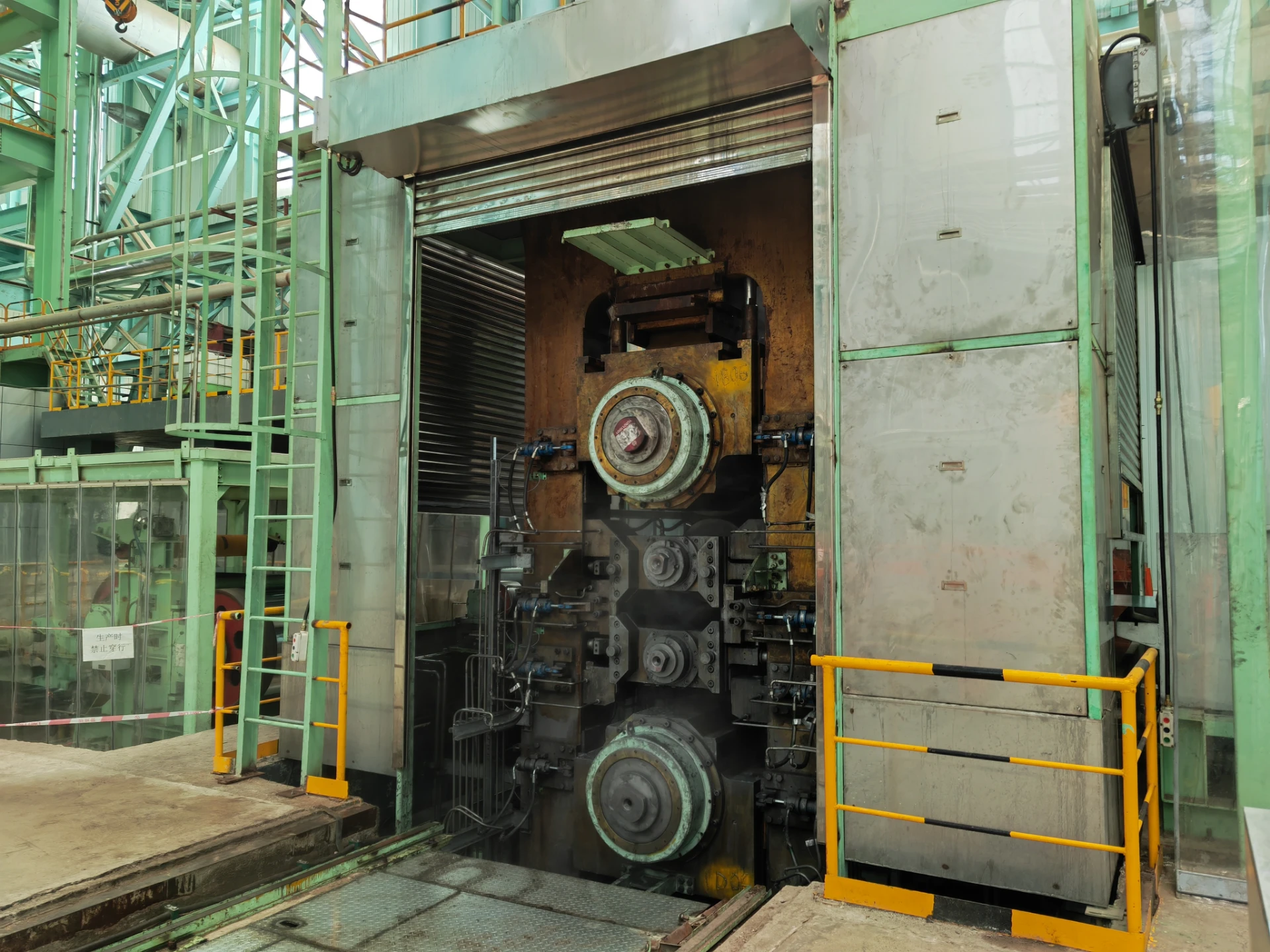
Modern appliance manufacturing demands materials that combine superior surface quality, precise thickness control, and excellent formability. This is why leading appliance producers increasingly specify cold rolled sheets produced on advanced tandem cold rolling mills . These sophisticated multi-stand systems, including the integrated pickle line tandem cold mill configurations, deliver material properties that perfectly match the stringent requirements of refrigerator panels, washing machine drums, oven cavities, and other critical appliance components. Unlike single-stand mills, a tandem cold mill employs a series of rolling stands (typically 4 to 6) that progressively reduce strip thickness while simultaneously improving surface characteristics and mechanical properties. The coordinated operation of work roll chock assemblies , intermediate rolls , and vertical rolls in these mills enables unprecedented control over sheet metal quality. Superior Surface Finish Achieved in Tandem Cold Mills Appliance manufacturers prioritize surface quality because their products must maintain flawless appearances throughout years of household use while resisting fingerprints, stains, and cleaning chemicals. The tandem cold rolling mill process excels in surface refinement through several mechanisms: The sequential reduction across multiple stands allows for gradual surface improvement, with each set of precision-ground work roll chock assemblies imparting a smoother finish than the last. Modern mills maintain roll surface profiles within microns, transferring this precision directly to the sheet surface. The inclusion of intermediate rolls in six-high mill configurations further enhances surface uniformity by dampening vibration and preventing work roll deflection. Many advanced facilities combine the pickle line tandem cold mill process, where the hot-rolled coil first undergoes acid cleaning to remove scale before immediate cold rolling. This integrated approach prevents surface contamination between processes, yielding cleaner, more consistent surfaces compared to separate pickling and rolling operations. The result is cold rolled sheet with surface roughness (Ra) values below 0.5 micrometers - ideal for high-end appliance exteriors that will later receive painted or laminated finishes. Tandem Cold Mills : Exceptional Thickness Tolerance Control Precision thickness control represents another critical advantage of tandem cold mill production that appliance manufacturers rely on for several reasons. The multi-stand design enables distributed reduction, with each stand typically applying 20-40% reduction. This gradual approach, combined with advanced automatic gauge control (AGC) systems, achieves thickness tolerances of ±0.5% or better across the entire coil length and width. The sophisticated roll arrangements in modern mills contribute significantly to this precision. The vertical roll systems employed in many tandem mills provide exceptional edge thickness control, minimizing the "edge drop" phenomenon where strip edges become thinner than the center. This ensures consistent formability across the entire sheet width - crucial when stamping large appliance panels where edge cracking would compromise part integrity. Such tight thickness control allows appliance makers to: Reduce material usage through optimized designs Achieve uniform painting and coating application Maintain consistent mechanical properties in formed parts Improve assembly fit-up between components Tandem Cold Mills : Enhanced Mechanical Properties for Appliance Applications The cold reduction process in a tandem cold rolling mill does more than just thin the material - it fundamentally improves the steel's mechanical characteristics to better suit appliance manufacturing requirements. The cumulative plastic deformation across multiple stands creates a dislocation structure that increases strength while maintaining sufficient ductility for forming operations. Modern mills precisely control this work hardening through: Optimized reduction schedules across stands Sophisticated tension control between stands Precise temperature management of rolls and strip The presence of intermediate rolls in six-high mill configurations allows for better control of the deformation zone, resulting in more uniform mechanical properties through the strip thickness. This proves particularly valuable for appliance parts requiring deep drawing, such as washing machine tubs or refrigerator door liners, where inconsistent properties could lead to forming defects. Additionally, the tandem cold mill process enables production of various strength grades from the same incoming hot band by adjusting the total reduction ratio. This flexibility allows steel producers to supply appliance manufacturers with optimized materials for different components - higher strength sheets for structural parts, more formable grades for complex panels - all from the same efficient production line. Tandem Cold Mills : Improved Flatness and Shape Characteristics Appliance manufacturers demand exceptional flatness in sheet metal to ensure trouble-free automated handling, precise laser cutting, and consistent forming results. The tandem cold mill delivers superior shape control through several advanced technologies: Modern mills employ sophisticated work roll chock assemblies equipped with hydraulic bending systems that dynamically adjust roll crown during operation. When combined with the intermediate roll shifting capabilities in six-high mills, this allows real-time correction of flatness deviations across the strip width. Many mills also incorporate vertical roll systems that apply edge-specific tension adjustments to eliminate wave and buckle defects. The multi-stand design inherently improves shape characteristics because each successive stand can correct residual flatness issues from previous stands. This cumulative improvement process yields cold rolled sheets with flatness tolerances under 5 I-units (0.005" difference over 10" length), enabling appliance makers to: Reduce scrap from shape-related forming defects Improve welding consistency in assembly processes Achieve better fit and finish in final products Enable higher-speed automated processing Tandem Cold Mills ’ s Material Consistency Across Full Coil Lengths Appliance production runs often involve thousands of parts stamped from continuous coils, making material consistency paramount. The tandem cold mill process excels in delivering uniform properties throughout entire coil lengths due to several factors: The integrated nature of pickle line tandem cold mill operations ensures consistent surface preparation before rolling begins. Modern mills employ advanced threading systems that maintain stable rolling conditions from coil head to tail, avoiding property variations common when rethreading single-stand mills. Sophisticated control systems monitor and adjust all critical parameters - roll forces, tensions, speeds, and temperatures - maintaining them within narrow windows throughout production. The use of intermediate rolls and advanced work roll chock assemblies contributes to this stability by dampening process variations that could affect material properties. This level of consistency allows appliance manufacturers to: Implement unattended automated production Reduce quality inspection frequency Minimize process adjustments during runs Achieve uniform performance across all produced parts Tandem Cold Mills : The Clear Choice for Appliance Excellence The comprehensive advantages of tandem cold mill produced sheets - from their flawless surfaces to their exceptional dimensional control and uniform properties - make them the undisputed material choice for quality-focused appliance manufacturers. As appliance designs continue evolving toward thinner, stronger, and more precisely formed components, the capabilities of modern tandem cold rolling mills will only grow in importance. With ongoing advancements in mill technology - including smarter work roll chock assemblies , more responsive vertical roll systems, and increasingly sophisticated process controls - tandem cold rolled sheets will continue setting the standard for appliance manufacturing quality. For producers aiming to compete in the premium appliance market, specifying tandem cold rolled material isn't just a preference - it's a necessity for achieving the demanding quality standards today's consumers expect.

We have successfully executed over 500
projects around the world,
many first-of-their-kind
research projects and products in China, including
We have successfully executed over 500
projects around the world,
many first-of-their-kind
research projects and products in China, including
-
2004
The 1st hydraulic AGC system for hot rolling of ribbon steel
-
2006
The 1st AFC system used for 1450mm skin pass mill
-
2009
The 1st 5-stand tandem line with 2-stand POR & Uncoiler for 650mm ribbon steel
-
2012
The 1st reversing mill for 1380mm strip
-
2016
The 1st soft-rolling system used in skin pass mill
-
2019
The 1st fully automated medium-width tandem cold rolling mill
-
2021
The 1st 5000KN Twin-stand double skin pass mill
-
2022
The 1st coupled pickling line & tandem cold mill with two modes - big roller & small roller
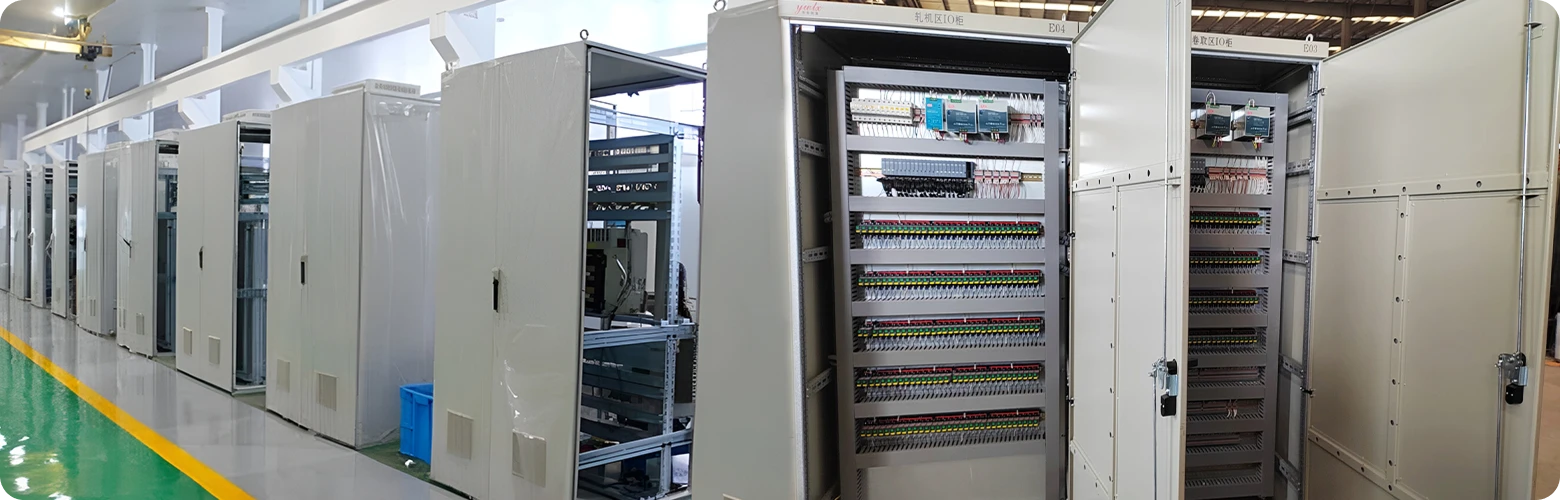
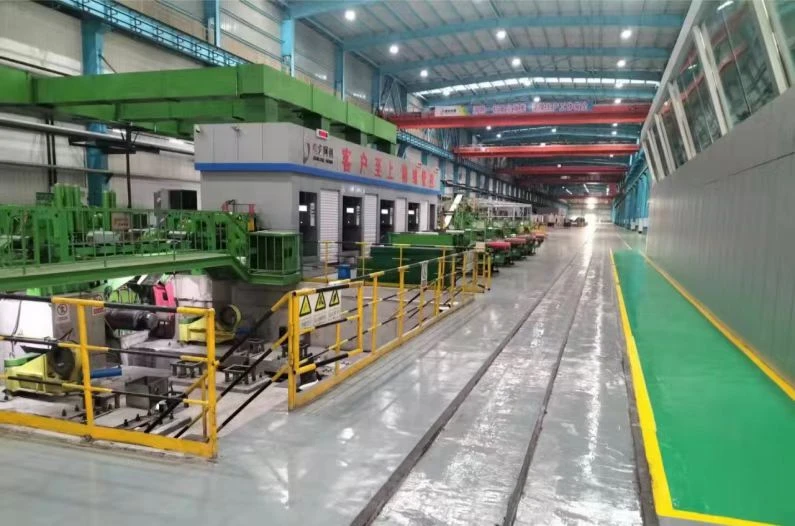

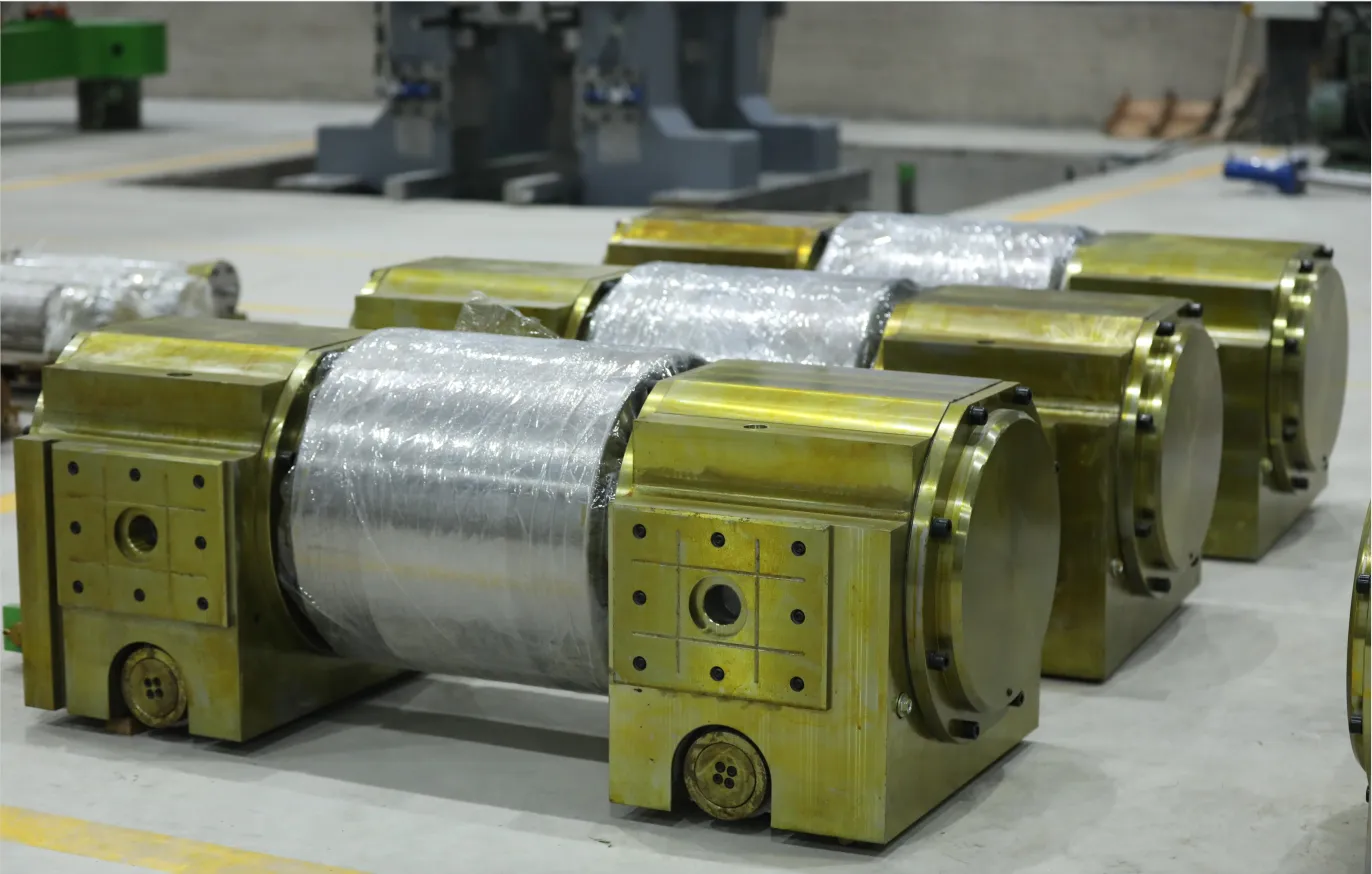
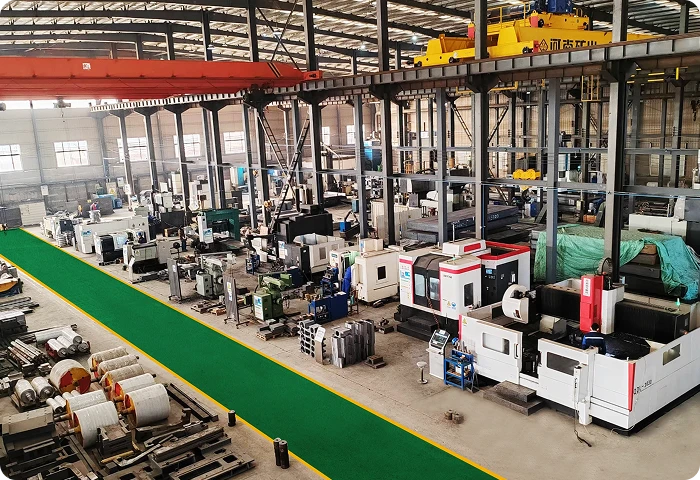
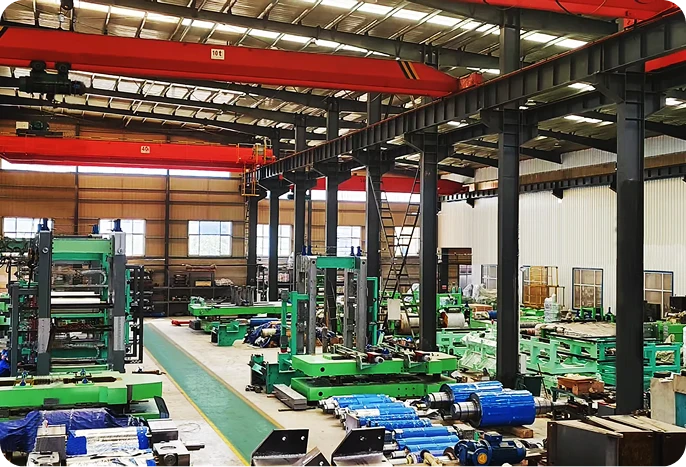
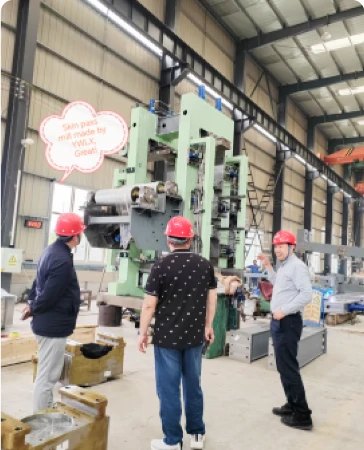
Yang Wang Li Xin operates a state-of-the-art facility over 66,000 square meters,and our manufacturing facility is fully equipped with high-tech machinery and high-capacity cranes. This enables us to handle large work pieces measuring 4.5m in width, 10m in length, and 1.5m in height, guaranteeing our capacity to produce 1800mm skin-pass mills and 1450mm rolling mills. The individual piece can weigh up to 100 tons.


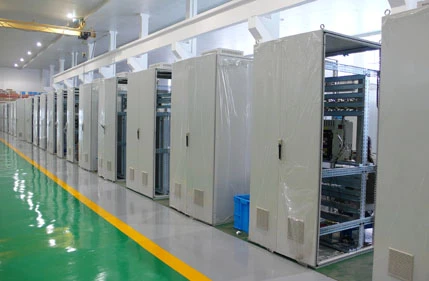
Quality is fundamental to the enterprise survival. We have established a comprehensive and meticulous quality management system and have successfully obtained ISO14000 certification. Starting from the design source, it supervises the entire production cycle, including design, procurement, processing, assembly, in-factory testing, installation, and online commissioning. The workshop is equipped with measuring tools like vernier calipers, spectrometers, hardness testers, and ultrasonic flaw detectors. They are used to check materials and control tolerances to ensure the final equipment meets or exceeds requirements. All products have a unique code, This enables the easy identification and traceability of the equipment components and ensures full control of quality.


-
 Cold Rolling Cladding Mill - YWLX|Energy-Efficient Surface QualityThe Cladding Rolling Mill developed by Beijing Yang Wang Li Xin Sci&Tech Co., Ltd. (YWLX) represents a breakthrough in advanced manufacturing technology. This innovative system leverages cold rolling processes to produce high-quality cladding materials, addressing critical challenges in energy consumption, surface quality, and production efficiency. As industries increasingly prioritize sustainabi
 -
 آسیاب های نورد برای فروشFinding the perfect rolling mill for sale can be a transformative investment for any business seeking to enhance its manufacturing capabilities. With a rich history in metal processing, rolling mills are essential for reducing thickness, enhancing strength, and improving the surface quality of materials. Here's a comprehensive guide based on real-life experiences and expert insights to help you na
 -
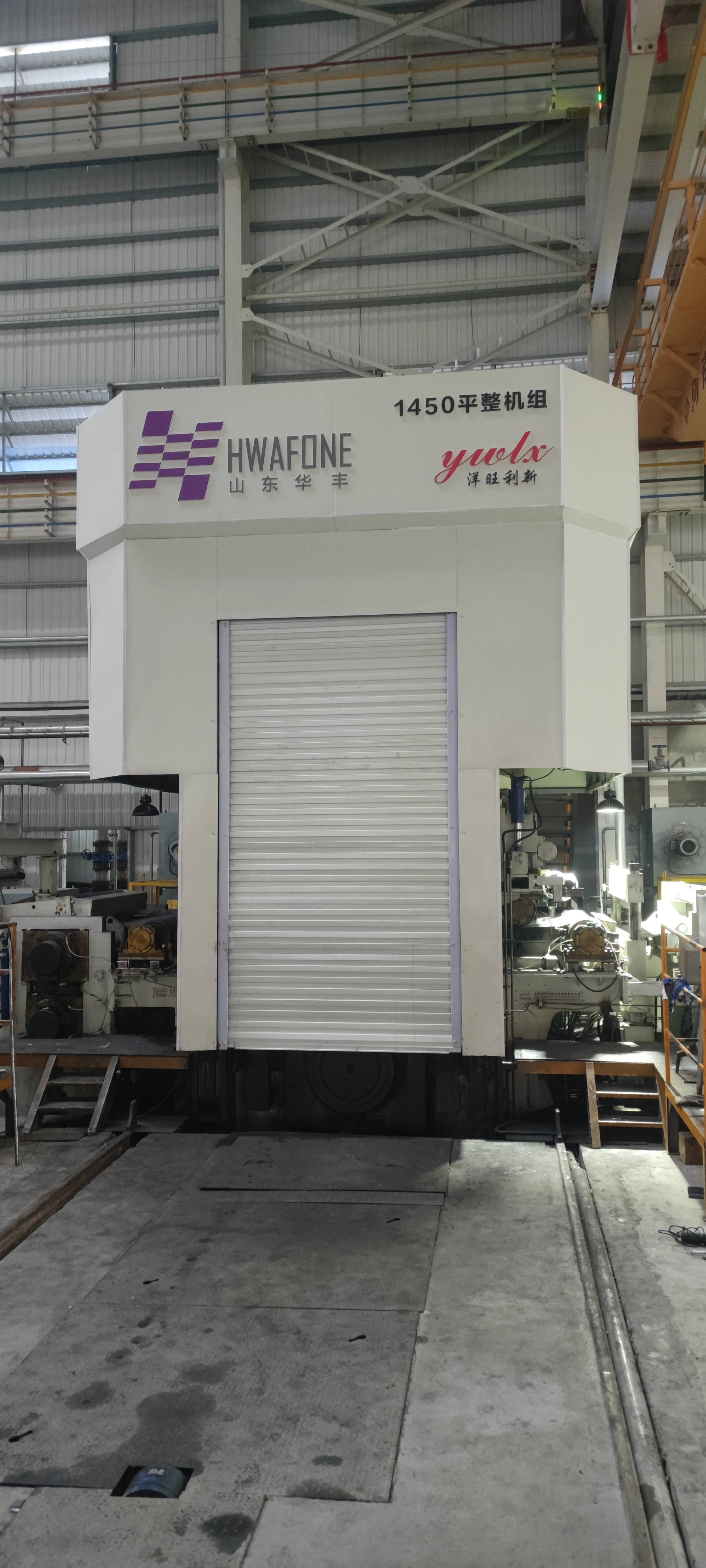 Cladding Rolling Mill - Beijing Yang Wang Li Xin|Cold Rolling, Energy EfficiencyCladding Rolling Mill has emerged as a groundbreaking solution in the metal processing industry, offering a sustainable and efficient alternative to traditional methods like explosive cladding and hot rolling. Developed by Beijing Yang Wang Li Xin Sci&Tech Co., Ltd. (formerly Shijiazhuang Yangwang Machinery & Technology Co., Ltd.), this technology leverages cold rolling processes to produce high-q


